Smart Seasonal Strategies for Reliable Home Comfort Systems

How Homeowners Can Keep HVAC Systems Running Strong Year-Round
Why Seasonal Planning Matters
Heating and cooling needs change with the weather, and a little planning can prevent small issues from becoming major outages. As temperatures swing, equipment wear increases and efficiency can drop. Prioritizing routine care for heating and cooling components helps protect comfort, indoor air quality, and energy use. Whether it’s air conditioning repair in the heat of summer or furnace repair before the first cold snap, a proactive mindset keeps systems operating smoothly.
Understanding Core System Components
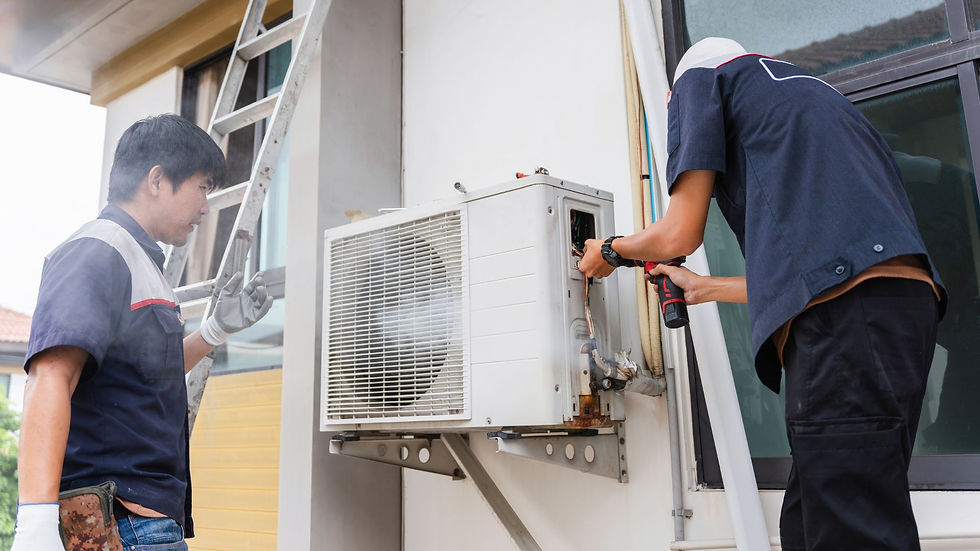
A modern comfort system depends on airflow, refrigerant cycles, electrical connections, and combustion safety. Filters, coils, blowers, condensate drains, and thermostats all need periodic attention. When one element is strained, stress transfers to the rest of the system. That’s why timely ac repair and tune-ups can reduce unexpected downtime. Skilled hvac contractors evaluate these interdependent parts to ensure balanced performance and safe operation.
Installation and Replacement Considerations
Proper air conditioning installation is foundational for efficient operation. Sizing, duct design, refrigerant charge, and airflow calibration influence comfort and long-term reliability. When equipment reaches the end of its useful life or consistently requires repairs, planning for replacement can reduce surprise breakdowns and stabilize utility bills. Professional HVAC Installation, Repair and Replacement services ensure attention to details that affect everyday performance.
Practical Maintenance Checklist
Regular maintenance extends longevity and safeguards efficiency. Homeowners can handle simple tasks while relying on experts for deeper diagnostics. Use this checklist to stay on track:
1) Replace or clean air filters on a recommended schedule to maintain airflow and protect components.
2) Keep outdoor units clear of leaves, grass, and debris to support heat transfer and reduce strain.
3) Inspect supply and return vents, keeping them open and unobstructed to balance circulation.
4) Check thermostat settings, schedules, and batteries to avoid short cycling and temperature swings.
5) Look for signs of moisture around indoor units and condensate lines, addressing clogs before leaks cause damage.
6) Listen for unusual noises or vibrations during operation and schedule ac repair if performance changes.
7) Before heating season, test ignition and safety controls to catch furnace repair needs early.
8) After storms or power interruptions, verify breakers and system safeguards before restarting equipment.
When to Call the Pros
Some issues call for more than a quick homeowner fix. Persistent hot or cold spots, rising utility costs, short cycling, icing on lines or coils, or frequent resets indicate deeper causes. Certified hvac contractors can measure static pressure, inspect ductwork, test electrical components, and verify refrigerant levels. Their expertise pinpoints root problems, from airflow restrictions to failing motors, allowing timely solutions that protect the system and the home.
Planning Ahead for Peak Seasons
Demand for service spikes during extreme weather, so scheduling maintenance before peak seasons ensures faster response and thorough inspections. Booking a pre-summer tune-up can reduce the risk of emergency air conditioning repair, while a pre-winter visit can uncover furnace repair needs before temperatures drop. If installing new equipment, plan air conditioning installation well ahead of heat waves to allow proper design, permitting, and commissioning.
A reliable comfort system doesn’t happen by accident. Consistent care, attention to small warning signs, and strategic scheduling help avoid stress during the hottest and coldest days of the year. With routine maintenance, timely ac repair, and guidance from knowledgeable hvac contractors, homeowners can keep systems efficient, safe, and ready for whatever the season brings.


Comments